TRIUMPH OVER TRAUMA
Be Set Free
Grief and Loss
WHAT IS GRIEF & LOSS?
I want to say this as simple as possible. Loss is what happens. We lose someone or something, and grief is what happens as an experience inside of us because of it. The most important thing to understand is that every individual experiences the loss of something and the impact of that differently, so it is not some formula or systematic response. Far from it.
The word grief is usually associated with death, however you can experience grief associated with much more than that. All we have to do is think about the number of things that are valuable to us, and whatever we hold valuable, if we lose it or it is taken from us, that is a loss and there is an associated grief.
So what are the most common experiences of loss? Well, it might be the end of a relationship or a marriage, losing a job or a role that was part of who you were, a change in your health, or even the loss of the future you thought you were heading towards.
The truth is, none of us go through life without experiencing loss. What I have witnessed is how loss happens changes how we experience it and grief matches the value we hold for the thing we have lost. Sometimes you can see it coming and you have a little time to prepare, and other times it comes out of nowhere and knocks you sideways. And sometimes one loss comes along before you have even had a chance to catch your breath from the last one.
Then there is the kind of grief that no one else really seems to notice. It is the loss the world does not count, the grief you were never quite given permission to feel. That grief is just as real as any other, and it does not go away simply because no one else acknowledged it. More often than not it just waits quietly until you are ready to turn and face it.
And you may have been told that grief comes in five stages. But in all my years of sitting with people, I have never really found it to work that way. There is no right order to it, and no finish line where you are suddenly done. It comes in waves. And healing was never about getting over it or leaving it behind. It is about learning how to carry it, and finding your way back to living again. And that is a journey I would be honoured to walk with you.
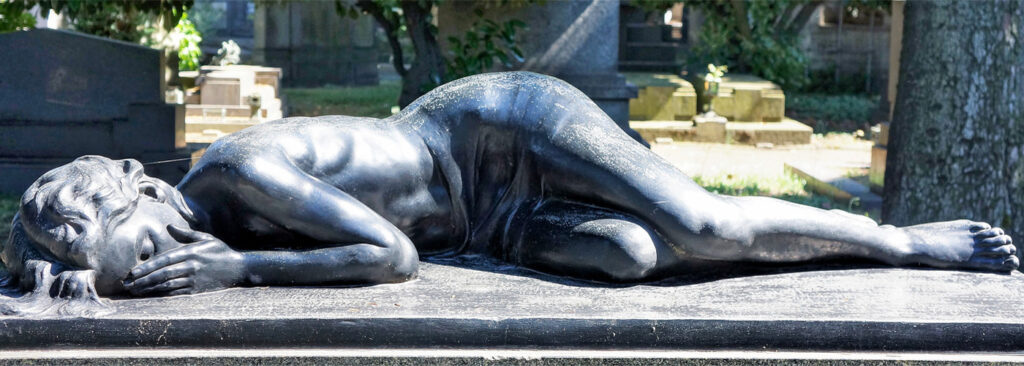
SYMPTOMS OF MALADAPTIVE COPING FOR GRIEF / LOSS
- Intense sadness
- Uncontrollable crying
- Denial or disbelief of the loss
- Anger
- Withdrawal from social activities or hobbies you once enjoyed.
- Hopelessness about the future
- Helplessness over the pain
- Inability to focus on anything besides the loss
- Numbness or detachment from others
- Intense sorrow and pain
- Feeling life has no meaning or purpose
- Irritability or aggression
- Feeling life is not worth living since loss
- Guilt over loss (thinking you could have changed it)
- Increased alcohol or substance use in order to lessen symptoms
- Thoughts of harming self
COMMON EXAMPLES
- Death of a loved one
- Terminal illness of a loved one
- Termination of a pregnancy
- Divorce or separation of a significant relationship
- Shifting of relationship roles (for example, care-giving for a sick parent, while losing the support that was once received from them)
- Loss of physical ability due to serious illness or injury
- Loss of a significant job and/or lifestyle
COUNSELLING PROCESS
Treatment for grief and loss is individualised to each person based on the type of loss, the amount of time since incurring the loss and the person’s perception of and reaction to the loss. For example, when death is the stressor, a whole family or social network is impacted, and it can be difficult to process your feelings about the event without feeling guilty for burdening the people around you. In these cases, psychotherapy assists by giving you a safe space to grieve and express the normal but difficult emotions that can accompany a death, including anger and a sense of abandonment.
At Triumph Over Trauma we provide a safe space for you to go through the process of grief and loss and provide the necessary education to understand the normal process and stages of grief.
The Richards Trauma Process can also be beneficial for eliminating any unconscious core beliefs being associated with a grief/loss from the past. We have specific process which utilises a grief scene which we go through to help eliminate the triggers associated with the grief experience. This is all done when you are feeling safe and secure and ready to progress into the process.